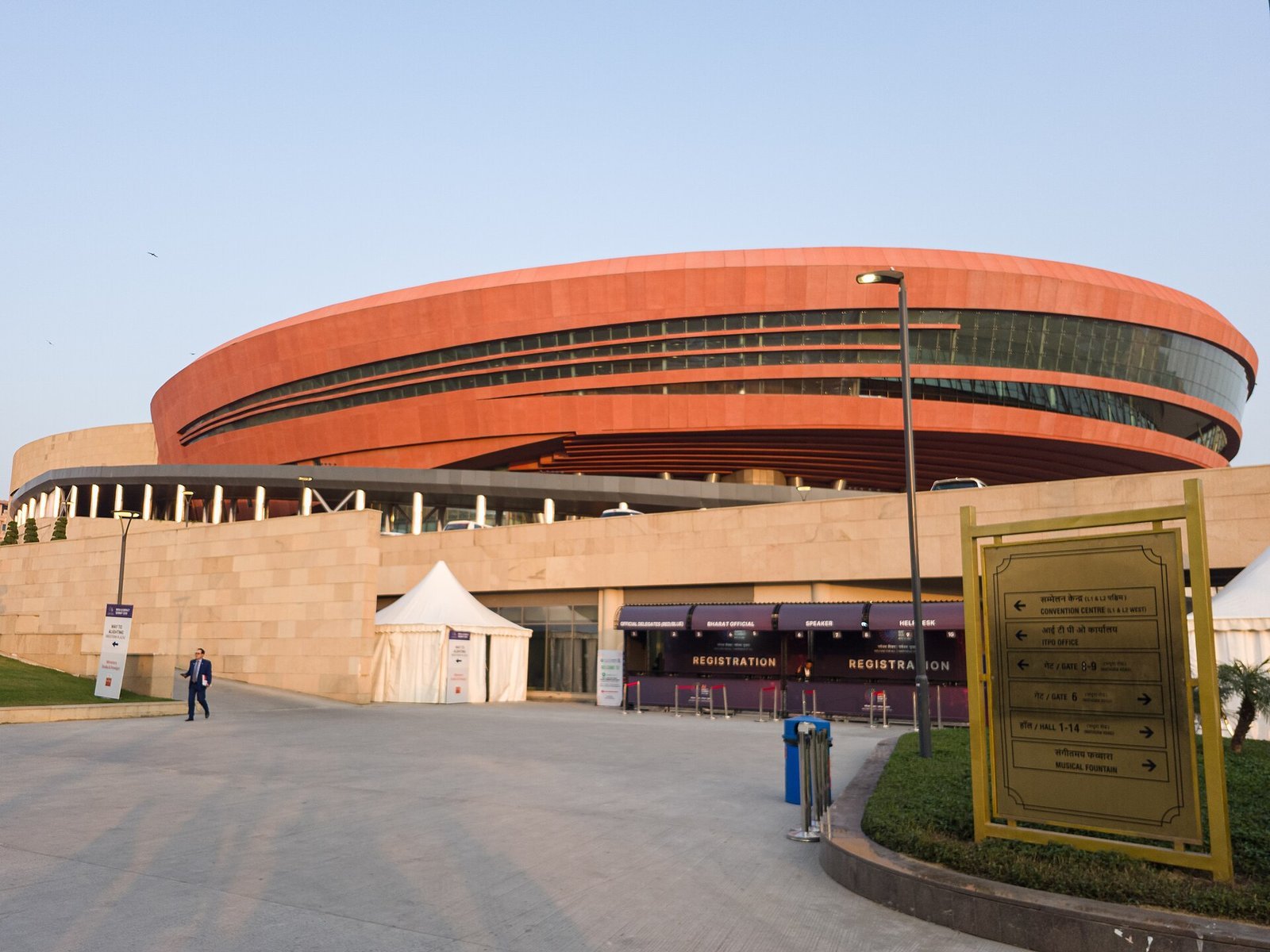
Prime Minister Narendra Modi on Thursday, 19 November 2026, delivered one of the sharpest public rebukes to Indian industry in years, asking business leaders whether the government’s tax cuts had translated into higher salaries and more jobs for employees. Speaking at the centenary convention of the Federation of Indian Chambers of Commerce and Industry (FICCI) at Bharat Mandapam in New Delhi, he questioned why companies kept asking the government to do more while doing little themselves for their own workforce.
“I have given income tax relief up to Rs 12 lakh. But have you increased the salaries of your employees? Have you increased the number of employees? No! It is always: ‘Modi ji, you do this; we will see what happens.’ This is how you respond,” the Prime Minister told a hall full of industry leaders.
Read also: EPFO Approves Systematic Withdrawal Plan: Retirees Can Now Get PF Savings as Monthly Payouts
What PM Modi Said at the FICCI Centenary
Modi inaugurated the Annual General Meeting and Annual Convention of FICCI, which is marking its centenary year in 2026-27. The industry body was founded in 1927, and its 100th anniversary falls on 7 April 2027.
Opening his address, the Prime Minister said he knew the audience would not applaud what he was about to say. “I know you will not applaud. I know that very well, because your appetite is so enormous that no matter how much you are given, it is never enough,” he said, drawing laughter from the gathering.
He then listed the relief the government has given industry and taxpayers over the years, and asked what had come back to employees in return. The message was direct: tax cuts and reforms were meant to create jobs and raise incomes, not only to improve company balance sheets.
The Tax Cuts Behind the Question
The Prime Minister pointed to two big measures in particular — the corporate tax cut and the income tax relief for individuals:
| Measure | Before | Now |
|---|---|---|
| Base corporate tax rate (existing domestic companies) | 30% | 22% (cut in September 2019) |
| Base corporate tax rate (new domestic manufacturing companies) | — | 15% |
| Income tax-free limit (new regime, with rebate) | Rs 7 lakh | Rs 12 lakh (rebate up to Rs 60,000) |
Along with these, the government has simplified tax returns and refunds and rationalised GST rates on several products. Modi argued that the income tax relief up to Rs 12 lakh has put more money in people’s hands, which should mean more demand for the very products industry sells — and therefore more reason to hire and pay better.
Industry salary surveys project average salary increases of around 9% in 2026, but the Prime Minister’s point was that wage growth and hiring have not kept pace with the scale of the concessions industry has received.
“Wheat Is Exported, Bread Is Imported”
The speech went beyond salaries. Modi reminded FICCI that Mahatma Gandhi had addressed the chamber in 1930 with the same message about swadeshi — self-reliance — and said that nearly a century later, he was still having to say the same thing.
“Tell me, what kind of country is it where wheat is exported and bread is imported? Ask yourselves that question,” he said, pointing to sectors where India still depends on imports despite its strengths: pharmaceutical ingredients, steel, aluminium, agriculture and engineering goods. India is known as the “pharmacy of the world” for finished medicines, he noted, yet it imports billions of dollars’ worth of active pharmaceutical ingredients, bulk drugs and drug intermediates.
He also took aim at product quality for Indian consumers. “Do not take 140 crore Indians for granted as an assured market where anything will sell,” he said, noting that sellers still use “export quality” as a tag to convince domestic buyers that a product is good. “Do they not deserve good quality?” he asked.
Read also: India’s Unemployment Rate Falls to 5.1%, Rural Jobs Rise — PLFS Survey
The Economy Modi Pointed To
The Prime Minister backed his challenge with the government’s economic record. He said India remains the world’s fastest-growing major economy, projected by major institutions to expand at around 7%, and noted that October 2026 saw record monthly goods exports of nearly $50 billion.
Citing a World Bank report, he said 50 crore Indians had defeated poverty in just 12 to 13 years. Commerce and Industry Minister Piyush Goyal, addressing the valedictory session of the same convention, said India’s preferential market access through free trade agreements now covers about $70 trillion of global GDP.
Modi urged FICCI to look beyond its century of achievements and plan for the next 20 years, making “India First” the foundation of every long-term investment decision. He also asked industry to build a joint strategy for agriculture exports, noting that India’s share in global agricultural exports is only 2 to 2.5% even though the share of processed food in agri-food exports has risen from 13% to over 20% in 12 years.
Political Reaction: Congress Says PM “Parroted” Its Critique
The speech drew a sharp response from the Opposition. Congress communications chief Jairam Ramesh said on X that a “nervous and rattled” Prime Minister had, for the first time in 12 years, pulled up the “captains of industry” over stagnant wages and job creation — and had echoed what the Congress had been saying for long: that wages have not increased, tax rates have been cut but investment has not boomed, and jobs are not expanding at the desired rate.
Whether the rebuke changes hiring or pay decisions remains to be seen. What is clear is that the government has now publicly linked future goodwill for industry to visible gains for employees — more jobs and better salaries, not just better profits.
Read also: Stand-Up India Extended Till 2031: Loans Up to Rs 1 Crore for 2.5 Lakh New Entrepreneurs
Why This Matters for Salaried Employees
For crores of salaried workers, the FICCI speech matters because it puts wages and hiring at the centre of the economic debate. The government has cut taxes for companies and for individuals earning up to Rs 12 lakh a year; the Prime Minister is now asking, in public, whether that money is reaching employees.
If companies respond with stronger hiring and better increments, the speech could mark a turning point in how India Inc shares the gains of growth. If not, the debate over who benefits from tax cuts — shareholders or workers — is likely to grow louder in the months ahead.