In the autumn of 1966, the United States Air Force handed the UFO question to a university and asked scientists to settle it. The result was the University of Colorado UFO Project — the Condon Committee. Two years later, its report closed Project Blue Book and shut down official UFO research for half a century. But a leaked memo, written before the study began, has kept people arguing ever since.
Why the Air Force Needed Outside Help
By 1966, Project Blue Book was drowning. That March, sightings around Dexter and Hillsdale, Michigan, drew national attention, and the Air Force’s explanation — swamp gas — only made the public angrier. House Minority Leader Gerald Ford demanded an investigation. On April 5, 1966, the House Armed Services Committee heard testimony from Air Force Secretary Harold Brown and the Air Force’s UFO consultant, astronomer J. Allen Hynek. The committee found Blue Book had collected more than 10,000 reports in nearly 20 years, yet was staffed by just one officer, one sergeant and one secretary. An advisory panel led by physicist Brian O’Brien had already recommended the fix: hand the problem to an outside university.
The Colorado Project
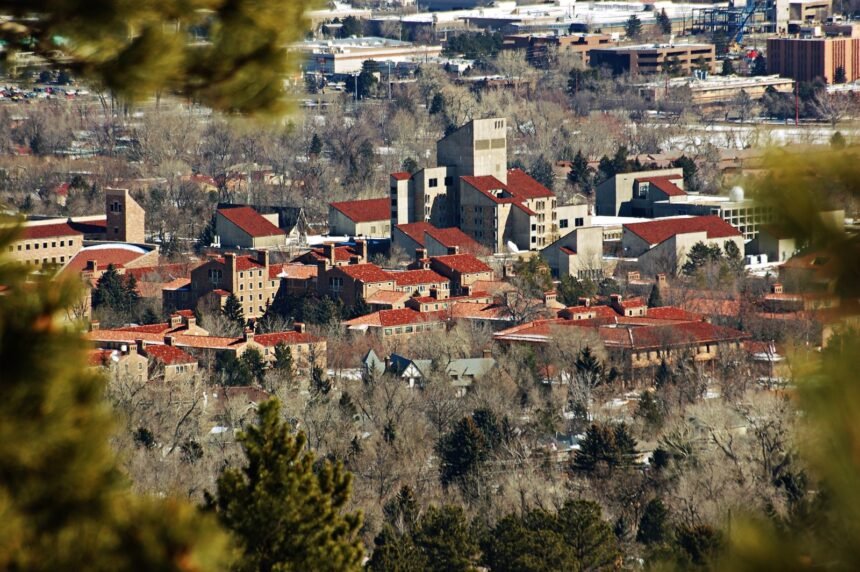
On October 7, 1966, the University of Colorado agreed to run the study. The director was physicist Edward U. Condon, a former director of the National Bureau of Standards and a veteran of the Manhattan Project. Assistant dean Robert J. Low would coordinate the work. The Air Force provided $313,000 in initial funding, and the project employed a staff of 37. The team examined hundreds of files from Project Blue Book, along with reports from the civilian UFO groups NICAP and APRO, and investigated new sightings as they came in. The final report contained 59 numbered case studies.

The Low Memo
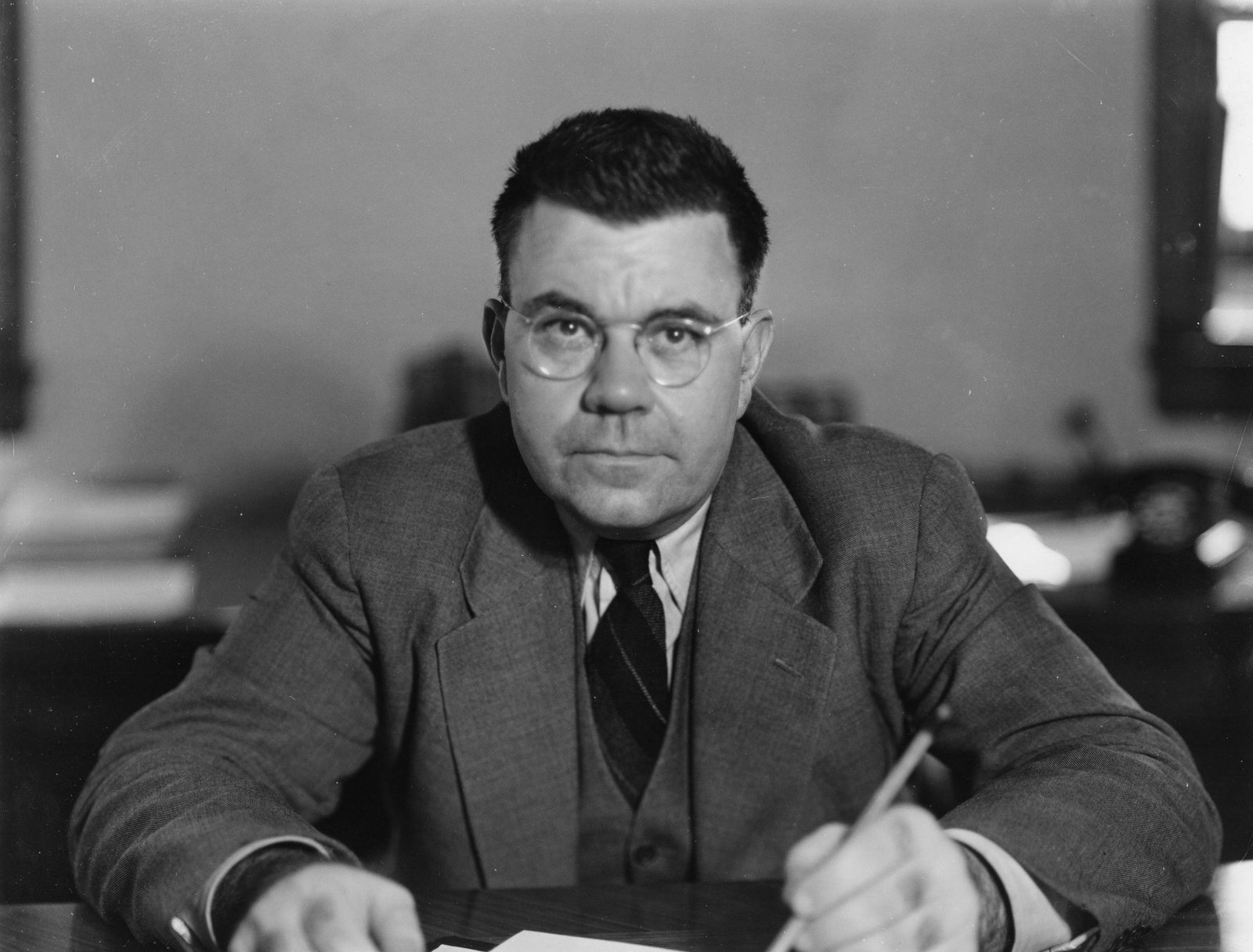
The study’s most famous document was written before the contract was even announced. On August 9, 1966, Low sent a memo, “Some Thoughts on the UFO Project,” to two university officials. In it he wrote: “The trick would be, I think, to describe the project so that, to the public, it would appear a totally objective study but, to the scientific community, would present the image of a group of nonbelievers trying their best to be objective but having an almost zero expectation of finding a saucer.” The memo also suggested studying the psychology of witnesses rather than the physical evidence. A copy was stolen from Low’s files and printed by Look magazine in May 1968. Two staff members, David Saunders and Norman Levine, were dismissed in February 1968 as the leak unfolded. Condon wrote that he did not know the memo existed until 18 months after it was written — and that its suggestion ran exactly contrary to what the project did, since the team concentrated on physical phenomena.
What the Report Actually Said
The final report, Scientific Study of Unidentified Flying Objects, was delivered to the Secretary of the Air Force on October 31, 1968, and published in January 1969. The Bantam Books paperback ran 965 pages. Condon’s own summary, which opens the report, is short and blunt: “Our general conclusion is that nothing has come from the study of UFOs in the past 21 years that has added to scientific knowledge… further extensive study of UFOs probably cannot be justified in the expectation that science will be advanced thereby.” A review panel of the National Academy of Sciences examined the report and endorsed its conclusions.
But the case chapters were less tidy than the summary. The 1956 Lakenheath radar-visual case concluded that conventional explanations could not be ruled out but seemed unlikely — and that the probability at least one genuine UFO was involved was “fairly high.” Critics pounced on the gap between the cases and the conclusion. Physicist James E. McDonald attacked the report in December 1969, and Hynek wrote to the Air Force in October 1968 with eight objections to how the study had been run.
The Aftermath
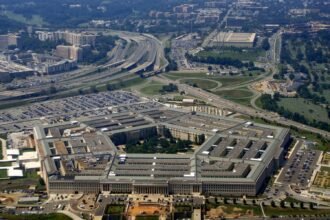
On December 17, 1969, the Air Force closed Project Blue Book, citing the Condon Report and the National Academy of Sciences review. But a memo dated October 20, 1969 — the Bolender memo — later showed that UFO reports of national security interest were never processed through Blue Book at all. The Pentagon’s 2024 AARO review of 80 years of UFO records summarized the Condon Report as part of that history — and, like Condon, found no evidence of alien technology.
What Is Still Unproven
The Low memo proves the study had a public-relations problem. It does not prove a cover-up of recovered alien craft — no such evidence appears anywhere in the report, and none has surfaced in the 57 years since. What the report genuinely left open was small: a handful of cases, Lakenheath among them, that its own investigators could not explain. The Condon Committee did not end the UFO question. It ended the government’s willingness to ask it in public.
| Fact | Detail |
|---|---|
| Study | University of Colorado UFO Project (“Condon Committee”) |
| Run | October 1966 – November 1968 |
| Director | Physicist Edward U. Condon |
| Funding | $313,000 initial funding from the U.S. Air Force |
| Report | Scientific Study of Unidentified Flying Objects, January 1969 |
| Case studies | 59 |
| Outcome | Project Blue Book closed December 17, 1969 |