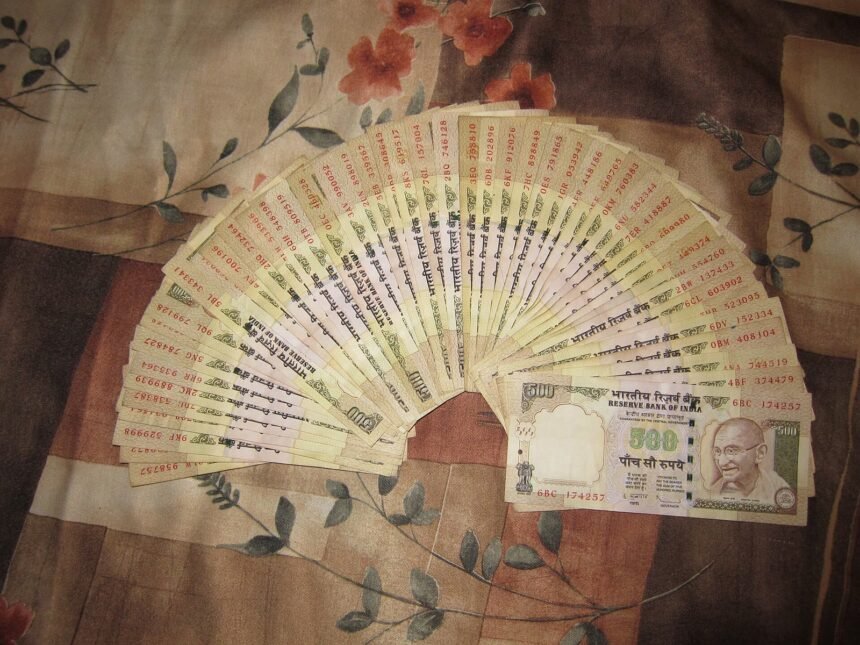
The Indian rupee strengthened past the 93-per-dollar mark on Friday, November 20, 2026, touching its strongest level in seven months as heavy foreign fund inflows, lower crude oil prices, and a softer US dollar combined to lift the currency.
The rupee touched an intraday high of 92.9950 against the US dollar in early trade — the first time it has traded below 93 since April 20. It opened at 93.25 and rose to 93.15 in early deals, up 17 paise from its previous close of 93.32 on Thursday.
Rupee’s Strongest Run in Months
Friday’s move extends a rally that has now run for four straight sessions. The currency has gained 78 paise, or 0.83 percent, since closing at 94.19 on November 13. It has risen more than 1 percent so far in November, making it one of the best-performing Asian currencies this month even as most regional peers have weakened against the dollar.
Market watchers say the break past 93 is significant because the level had acted as a strong barrier for weeks. The rupee had been stuck above 93.60 earlier this month before foreign inflows pushed it through one resistance level after another.
Read also: Anthropic Shares Jump 17% on Nasdaq Debut After Record $81.3 Billion IPO
What Is Driving the Rally
Three factors are behind the rupee’s rise:
- Foreign fund inflows: Overseas investors have been buying Indian shares heavily. Foreign portfolio investors bought shares worth Rs 7,411 crore on Thursday alone, according to market data provider Finrex. The dollars they bring in must be converted into rupees, which pushes the currency up.
- Lower crude oil prices: Crude oil is hovering near an 11-week low, which reduces India’s import bill. India imports most of the oil it uses, so cheaper crude eases the demand for dollars.
- A softer dollar: The dollar index, which measures the greenback against six major currencies, was at 103.76, down 0.07 percent. It had touched a fresh 19-month high of around 104.00 the previous day before easing.
Analysts also point to a sharp fall in gold and silver prices, which could further reduce India’s import bill and support the rupee in the coming days, according to Anuj Choudhary of Mirae Asset Sharekhan.
Read also: PM Modi to India Inc at FICCI Centenary: ‘I Waived Tax Up to Rs 12 Lakh — Did You Raise Salaries?’
Rupee’s Run in Numbers
| Date | USD/INR | What happened |
|---|---|---|
| November 13, 2026 | 94.19 | Close before the rally began |
| November 19, 2026 | 93.32 | Fourth straight session of gains |
| November 20, 2026 | 92.9950 | Intraday high; first break past 93 since April |
What It Means for You
A stronger rupee has mixed effects. Importers benefit because they pay fewer rupees for every dollar of goods they buy. Students paying fees abroad and families planning foreign travel also get more for their money. A stronger currency, combined with cheaper crude, could also help keep fuel prices in check.
Exporters, on the other hand, earn less in rupee terms for every dollar they bring home. That can hurt IT firms, pharmaceutical companies, and other exporters if the rally continues. Falling global gold prices, along with a stronger rupee, also make gold cheaper for buyers in India.
Read also: October Retail Inflation at 6.09%, Above RBI Limit
What to Watch Next
Analysts expect the rupee to trade in a range of Rs 92.85 to Rs 93.40 in the near term, according to Mirae Asset Sharekhan. On the technical charts, the 20-day exponential moving average near 94.11 now caps the upside for the dollar-rupee pair.
Traders will watch whether foreign inflows continue, whether the Reserve Bank of India lets the currency appreciate further or steps in to smooth sharp moves, as it has done in the past, and whether the dollar resumes its climb. For now, the rupee’s seven-month high is a clear sign that global money is flowing back into Indian assets — and markets will be watching to see how long the rally lasts.