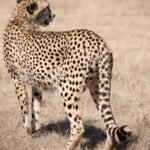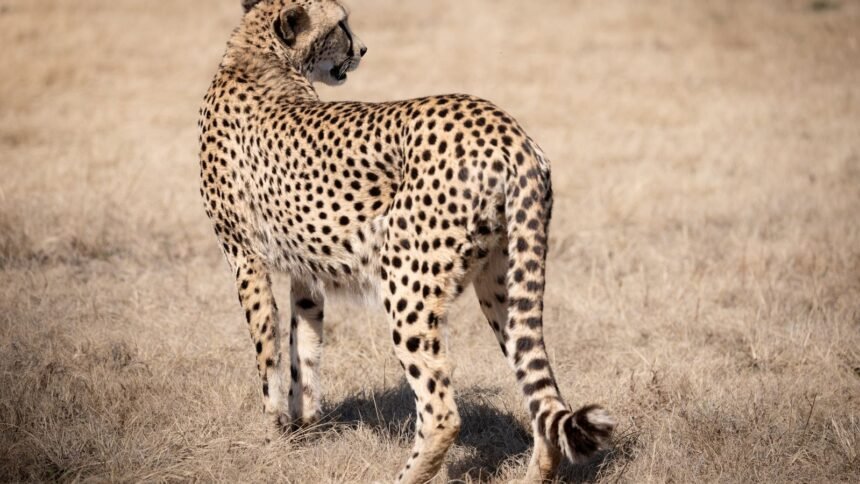
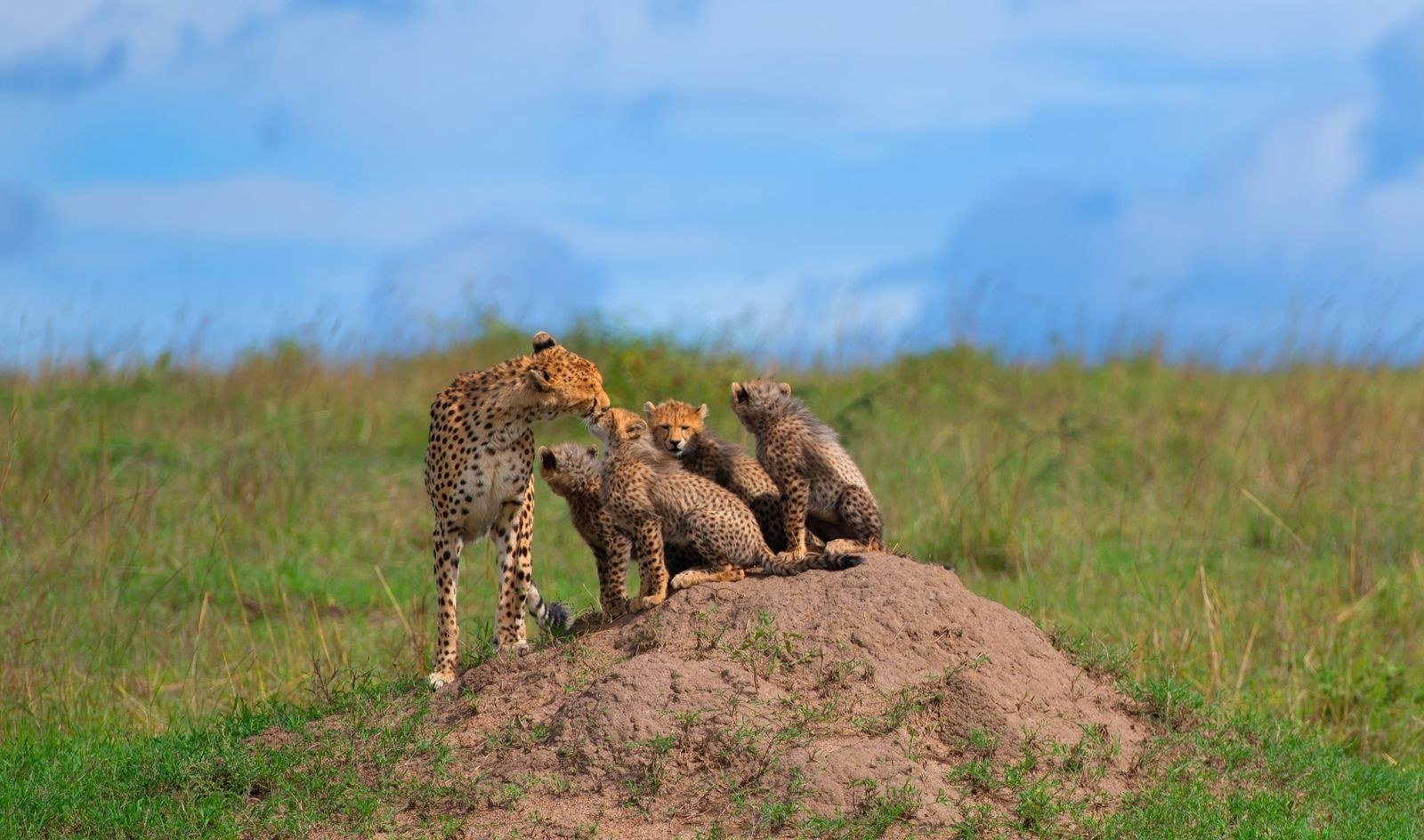
A two-and-a-half-year-old cheetah brought from Botswana has given birth to four healthy cubs in the wild at Kuno National Park in Madhya Pradesh, taking India’s total cheetah population to 62. Union Environment Minister Bhupender Yadav announced the birth on Friday, November 20, 2026, calling it a landmark moment for Project Cheetah.
The mother, identified as KOMG 3, delivered the cubs under natural conditions after spending more than four months roaming free in the wild. She is the first female cheetah from Botswana to give birth on Indian soil, and the birth is only the second recorded wild birth since the cheetah reintroduction programme began in 2022.
A First for the Botswana Cheetahs
KOMG 3 came to India from Botswana, a country in southern Africa that is home to one of the world’s largest remaining wild cheetah populations. Eight cheetahs from Botswana joined the programme in December 2025, and KOMG 3 has now become the first Botswana-origin female to reproduce in India.
What makes this birth special is where and how it happened. The cubs were born in the open wild, not inside an enclosure, and with no human help at the moment of birth. For conservationists, that is the gold standard: a wild animal living and breeding on its own terms, in the habitat the programme is trying to restore.
“It is a landmark moment for Project Cheetah and a proud milestone in India’s journey towards restoring a viable cheetah population,” Minister Yadav said. He also credited the people on the ground: “Behind this milestone lie countless hours of dedication, commitment and hard work by the managers, veterinarians, frontline forest staff and everyone working tirelessly for the success of Project Cheetah.”
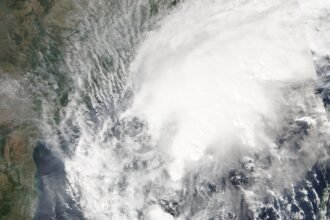
Read also: Cyclone Akvan Landfall Begins Today: Storm Weakens Near Gopalpur, Over 3 Lakh Evacuated in Odisha
Why This Birth Matters
Of the 62 cheetahs now in India, 43 were born in the country — a sign the programme is starting to sustain itself instead of depending only on animals brought from Africa. Before Friday’s birth, the count stood at 58. The four new cubs pushed it past 60 for the first time.
The birth is also only the second time cheetahs have reproduced in the wild under the programme. The first wild birth set the template; this one, from a female who arrived from another continent and settled into Indian grassland, strengthens the evidence that the reintroduction strategy is working beyond the controlled, enclosure phase.
Cheetahs are the world’s fastest land animal, capable of short bursts of speed of up to about 100 km per hour. They were once a common sight on India’s grasslands, where kings and nobles kept them as hunting companions. That history makes their return a matter of national pride as well as science.
India’s Cheetah Count in Numbers
| Date | Milestone | Cheetahs in India |
|---|---|---|
| 1952 | Cheetah declared extinct in India | 0 |
| September 17, 2022 | Project Cheetah launched; 8 cheetahs arrive from Namibia | 8 |
| February 2023 | 12 more cheetahs arrive from South Africa | 20 |
| December 2025 | 8 more cheetahs arrive from Botswana | 30* |
| November 20, 2026 | KOMG 3 gives birth to 4 cubs in the wild at Kuno | 62 |
*30 was the count in December 2025, before the Botswana arrivals; births during 2026 raised the total to 58 just before this litter. Of the 62 cheetahs now in India, 43 were born in the country.
Read also: Three Maharashtra Beaches Get Blue Flag Certification for the First Time
From Extinction to 62: Project Cheetah’s Journey
The cheetah was declared extinct in India in 1952. The last confirmed sighting of a wild cheetah in the country was in 1947, when three animals were shot in the Sal forests of Koriya district in present-day Chhattisgarh. Hunting and the loss of grassland habitat had wiped the species out over the preceding decades.
Project Cheetah, the world’s first inter-continental translocation of a large carnivore, began on September 17, 2022, when Prime Minister Narendra Modi released the first eight cheetahs from Namibia at Kuno National Park. Twelve more arrived from South Africa in February 2023, and eight from Botswana in December 2025.
The project is run by the Ministry of Environment, Forest and Climate Change and the National Tiger Conservation Authority, along with the Madhya Pradesh Forest Department. More than 450 local “Cheetah Mitras” support the programme, around 380 direct jobs have been created for communities living around Kuno, and local people receive 5 percent of eco-tourism revenue.
What Happens Next
The immediate test will be the survival of the four new cubs through their first months. Cub mortality in the wild is high, and in a population of just 62, every individual matters. Forest teams will track the family closely while giving the mother space to raise her cubs without disturbance.
Conservationists will also watch whether cheetahs begin to range beyond Kuno. India aims to build a self-sustaining population of 60 to 70 cheetahs across about 17,000 sq km by 2032, with Gandhi Sagar Wildlife Sanctuary in Madhya Pradesh ready for the next phase of the programme.
For now, four tiny heartbeats in the Kuno grassland are the newest sign that a species extinct in India for 74 years is finding its way back.
Read also: ICJ Rules Myanmar Committed Genocide Against Rohingya: A Historic First for the World Court